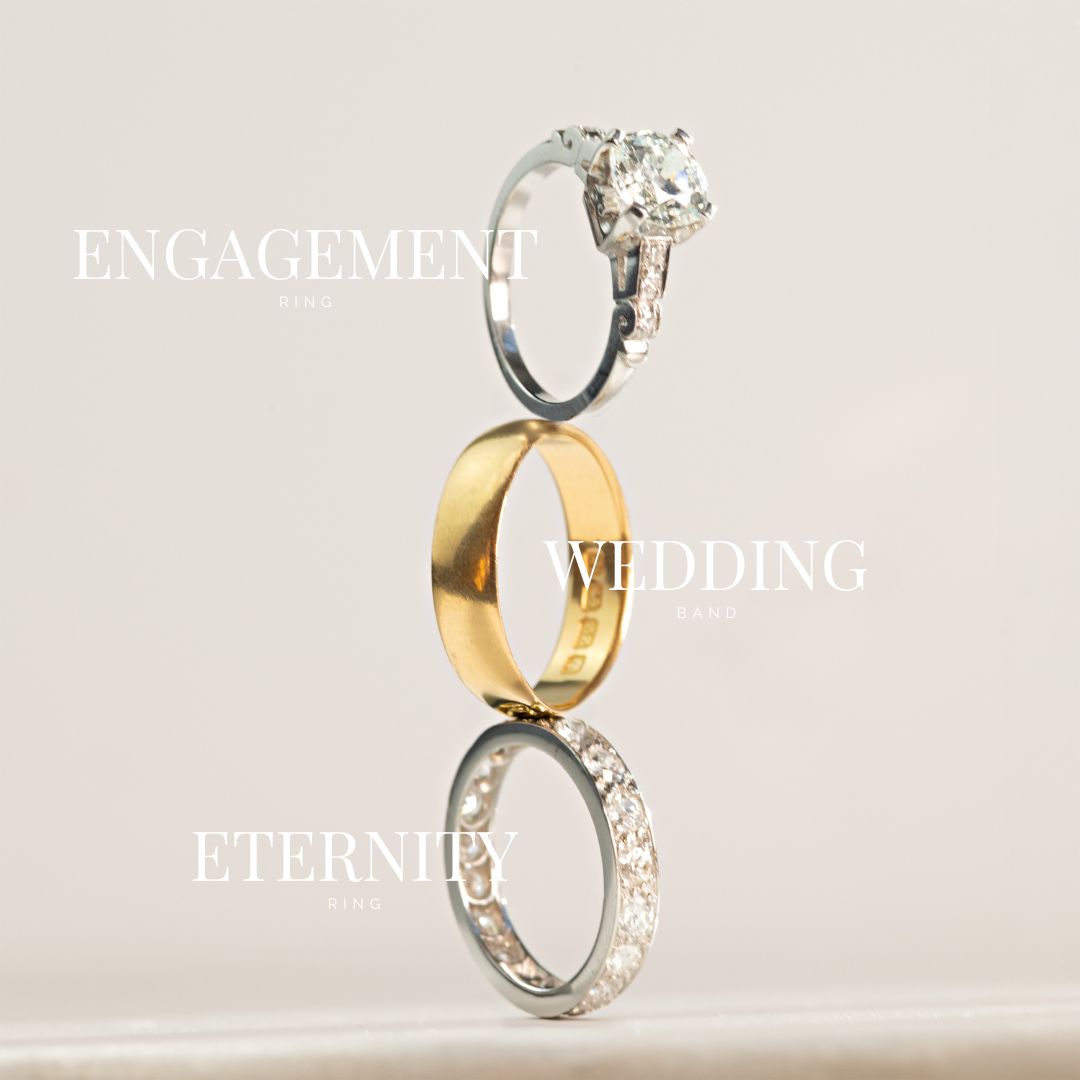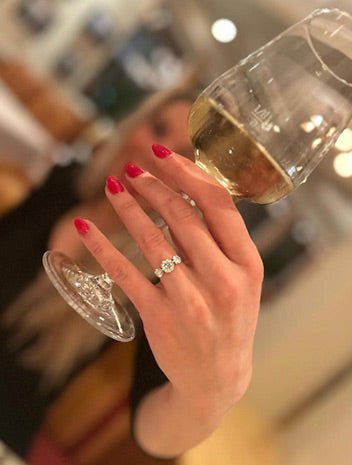
antique jewellery, antique rings, antique necklaces from Friar House Antique Jewellery antique jewellery, antique rings, antique necklaces from Friar House Antique Jewellery

Friar House Antique Jewellery

Welcome to Friar House. We have been established within the Antique Jewellery trade for 25 years, selling to many traders all over the World. In December 2004 we opened our retail shop, Friar House, situated in the small historic town of Battle.

More About Us

Featured Items

Antique Jewellery, antique jewelry from Friar House, Battle, East Sussex, UK
Pink Sapphire & Diamond Cluster Ring
Art Deco circa 1920
Antique Jewellery, antique jewelry from Friar House, Battle, East Sussex, UK
Diamond Fringe Necklace
Art Deco circa 1920
Antique Jewellery, antique jewelry from Friar House, Battle, East Sussex, UK
Mallard Duck Enamel Bar Brooch
Edwardian circa 1910
Antique Jewellery, antique jewelry from Friar House, Battle, East Sussex, UK
Three Stone Diamond Panel Ring
Art Deco circa 1920
antique jewellery, antique jewelry, antique rings and antique necklaces from Friar House Antique Jewellery

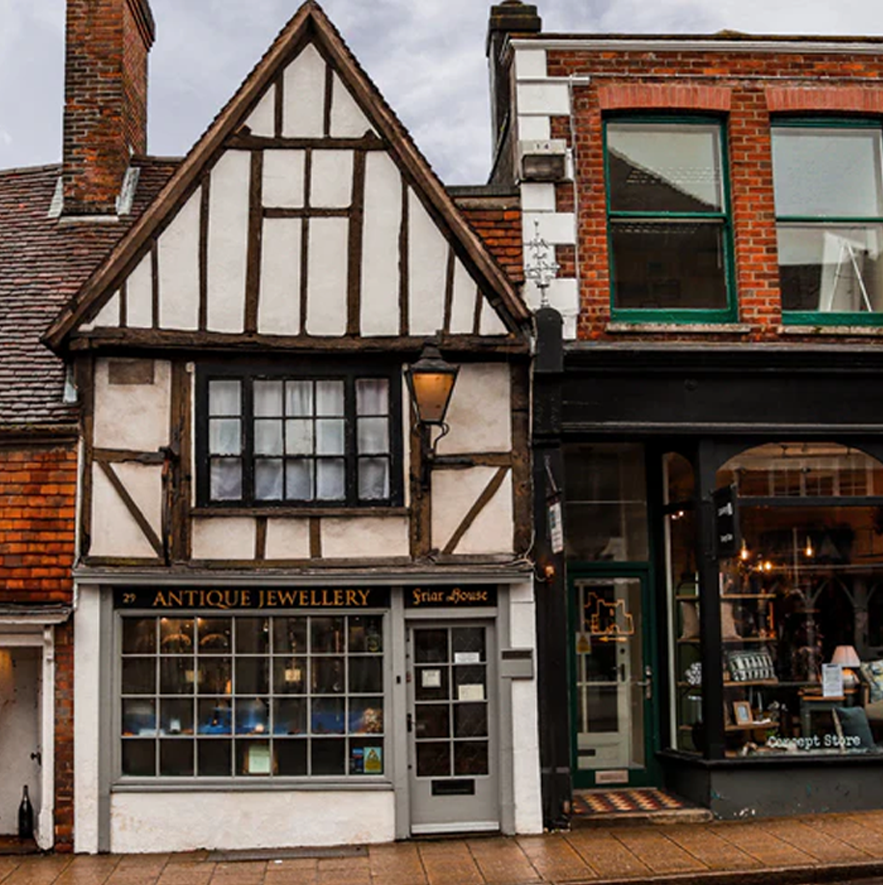
Our shop in historic Battle High Street. Friar House itself is a 17th century house dated from 1642. In its past the house has been a bakers and a museum.

The History of Antique Jewellery


ANTIQUE JEWELRY HISTORY – Georgian Jewellery:  1714-1837

Georgian jewellery was handmade, making the quality of each piece of jewelry variable.  Georgian antique jewellery is very rare, often featuring nature-inspired designs such as leaves and birds.   Georgian antique jewelry frequently includes precious stones and these would be set into foiled closed backed settings to the reverse, set in silver to the front. 

Jewellery has always been worn for many purposes; the reasons for wearing jewelry are more complicated than a basic desire for self adornment.

1672-1732: Pinchbeck jewelry was introduced as an imitation of Gold.  Invented by Christopher Pinchbeck, it was a mixture of alloy, copper and zinc.  Pinchbeck sold in large quantities and was eventually taken over by gilt metal.  (Gilding is a process by which a base metal is plated or coated with a thin layer of gold).      

1701-1773: Paste jewelry was introduced as a substitute for Diamonds.  Jewellery invented by Georges Frederic Strass, paste was a high lead content glass and was cut to resemble Diamonds.  Diamonds were purchased and worn by aristocracy, whilst paste jewellery was purchased and worn by the middle class.

People have worn antique jewellery as a memento of loved ones living or dead.  Jewelry was also worn as an expression of faith or as a talisman to ward off evil and disease.  It was a belief that certain stones had magical powers.  Topaz cured madness and increased wisdom.  Sapphire cured diseases of the skin. 

Memento mori, meaning remember that you must die.  Memento antique jewellery appeared in the 16th century and was decorated with enamel, skeletons, skulls, worms, coffins and crossbones. 

By the 17th century memento jewelry and the above symbols were being used not to warn of mortality but to commemorate the death of individuals.  By the second half of the 17th century memorial rings were being provided to distribute to family and friends after a funeral.

Antique jewellery; Memorial rings, lockets, pendants and slides (worn on ribbons around the neck or wrist) contained backgrounds of silk or hair with symbols of skulls and cross bones under crystal.    By 1730 Antique jewellery with unsightly skulls and cross bones were followed by more neo-classical miniatures.  Antique jewelry; Rings, pendants and brooches were decorated with sepia on ivory showing grieving women by tombs, urns and broken columns decorated with weeping willow and cherubs. 

By 1781 silhouettes were cheaper than painted miniatures and these were set in jewellery; rings, pendants or brooches.  Also the miniature of a single eye was used in jewelry, some set with a glistening diamond tear drop.

1813 Berlin Iron jewellery was founded at Gleiwitz in the Prussian province of Silesia. In 1804 a factory was established In Berlin producing iron objects both functional and decorative. Trade increased during the period 1813 -1815 as a response to a plea by the Prussian authorities for members of the aristocracy to donate gold and jewels for the war effort against Napoleon.  In exchange for gold and jewels they were given Iron Work Crosses, brooches, necklaces and bracelets some bearing the inscription “Gold gab ich fur Eisen” (I gave gold for iron).  The response was immense with over 41,000 items of Berlin Antique Ironwork jewellery being produced in 1814 alone.


ANTIQUE JEWELRY HISTORY - Victorian: 1837-1901

The early Victorian era showed a great change in the development of Antique jewellery, culminating in the Romantic Movement.  Nature was a big influence on the design of Antique jewelry at this time.  Designs included serpents, flowers, leaves, bunches of grapes and buds etc.  Antique Mourning jewellery was still common in the early 19th century.

1847 – Louis Francois Cartier at the age of 28 after an apprenticeship with a master watchmaker took over his master’s Paris Jewelry business.

1851 – The great exhibition held at the Crystal Palace in London, provided a good opportunity for the Antique jewellery industry to create interest and manufacture.  1860 – The Antique jewellery trend changed and the Etruscan, Greek and Egyptian styles became favorable.  March 1861 Queen Victoria’s mother died, November 1861 Queen Victoria’s husband the Prince Albert also died at the age of 42.  The Queen went into deepest mourning for the rest of her life.  Black was to be worn by all those in mourning.  Once again the Antique jewelry trend changed to cut steel, berlin iron, and jet.  In the later stages of mourning ivory and tortoise shell jewelry was worn.  Cut Steel Antique jewellery was constructed from clusters of small faceted and polished individual studs riveted to a base plate.  Berlin Ironwork was constructed from hard grey metal.  Jet is a type of brown coal, a fossilized wood of ancient tree.  The vast majority of Jet came from Whitey located on the coast of North Yorkshire.

1860’s/ 1870’s the art of gemstone polishing had become advanced in that colourful stones such as turquoise, garnet and coral could be cut to fit various settings in jewelry.

1864 – Peter Carl Faberge a Russian Jeweller joined his father’s business.  1872 Faberge took over management of his father’s business.  1882 Carl and his younger brother Agaton had great success from the Pan-Russian Exhibition held in Moscow.  It was here that the Tsar Alexandaer III  took an interest in Faberge’s work and in 1885 he became the Tsar’s Court Goldsmith.  Faberge went onto produce gem set Easter eggs for the Tsar’s mother and wife.  Faberge made many objects from fine Antique jewellery to silver tableware.  Fabergé’s company enjoyed huge success; it became the largest in Russia with 500 employees and branches in Moscow, Saint Petersburg, Odessa, Kiev and London. 

1880 – 1901 Due to the prosperity and economic growth vast quantities of Antique jewelry were manufactured to satisfy the insatiable market.


ANTIQUE JEWELLERY HISTORY - Art Nouveau 1880-1910

Art Nouveau flourished through the mid 1880’s and spread through Europe to America then began to fade prior to World War 1. Art Nouveau jewellery was influenced on naturalism, involving unusual designs within a symmetrical frame encompassing foliage, leaves, enamel, pearls and gemstones.   During the 1880’s Samuel Bing in Paris and Arthur Lasenby Liberty in London both ran specialist galleries in decorative arts. Liberty went on to launch designs by Archibald Knox.  In America Tiffany’s were introducing new designs, whilst in Europe Rene Lalique established his reputation at the Paris Salon Exhibitions of 1895/96/97. In 1884 a German Ernest Murrle, settled in London and was the founder of Murrle Bennett & Co a competitor to Liberty.  Further names who influenced the Art Nouveau Antique jewellery circuit were Child & Child (Walter and Harold Child), Charles Horner, Sibyl Dunlop, Theodor Fahner, Dorrie Nossiter and Georg Jensen.


ANTIQUE JEWELRY HISTORY - Edwardian: 1901-1910

1901 - Edward V11 eldest son of Queen Victoria became King.   The Edwardian period was turbulent; Antique jewellery was influenced by the complex array of social, artistic and the economic climate. As craftsmen of this period could produce such fine and intricate Antique jewelry, styling became elaborate.  Antique Jewelry designs included formal jewellery; tiaras, brooches, rings, pendants, earrings, bracelets and sautoir necklaces many set with precious and semi precious gemstones.  A favourite metal in this period was the introduction of Platinum jewelry which became known for its strength.


ANTIQUE JEWELLERY HISTORY - Art Deco: 1920-1935

After 1918 the wearing of delicate diamond jewelry had changed.  During the war women had worked alongside men and the helpless fluttering ladies had moved onto be businesslike and mature.  Therefore Antique jewelry became uncluttered with clean lines, geometric shapes, strong curves and defined lines.  Long earrings came back into fashion with the arrival of the short cut boyish hairstyle.  Baguette cut diamonds as well as black and white jewelry featuring onyx were in demand.   The double clip (two identical dress clips) was used a lot in the form of a brooch.  The Brooch could be taken apart and used as two identical dress clips.  1922 – In Egypt the discovery of Tutankhamen’s tomb influenced the period with the use of scarab beetle, turquoise, coral and coloured crystal within the construction of Antique jewellery.  Art Deco not only affected the design of jewelry, also changes became in fashion, architecture, interior design, industrial design, visual arts, graphic arts, painting and film.  Art Deco design surged after the Paris exhibition of 1925.  During the 1920’s desirability peaked in Europe and continued strongly in the United States of America through the 1930s.


ANTIQUE JEWELRY HISTORY - Vintage 1940’s, 1950’s, 1960’s, 1970’s.

The 1940's was the era for amazing plastic jewellery, deep carved Bakelite, Casein and Lucite jewels and chunky beads were present.  Bakelite was the first plastic made from synthetic components; beads both large and small in bright colours were used to create chunky jewelry. 

1950’s & 1960’s – Murano glass jewellery  was produced in large quantities in Italy for export and the tourist market. Jewerly; Glass beads, simulated pearls, and coloured paste diamontes were produced in many sizes and colours these were used to make affordable costume jewellery. Masses of costume jewelry including cocktail rings, dress rings, beaded necklaces and bracelets along with bangles were produced in heavy decorative styles.

1950's – An era that was fore fronted with American designers producing suites and parures. Signed by designers like Trifari, Weiss, and Coro.  Europe was headed by Christian Dior.

1960's – The 'Flower Power' era.  Jewellery was bold and colourful with enamel flower brooches and matching earrrings in bright strong colours.

1970's- Britain still had a steel industry and jewelry was manufactured from Stainless Steel. Big bold pendants, rings and cuffs link sets are reminders of that Industry and era.


The History of the Engagement Ring

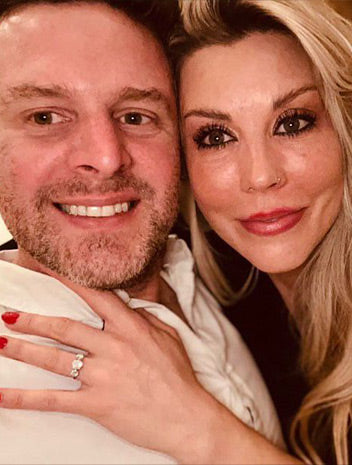
Traditions of the Engagement Ring date to classical times, from an early usage reportedly referring to the fourth finger of the left hand as containing the vena amoris or "vein of love".

The earliest records show that Archduke Maximillian of Hamburg may have started the trend among the wealthy and royalty of giving Diamond Engagement Rings when in 1477 he gave Mary of Burgundy a Diamond betrothal Ring.

The ancient Romans called their Engagement Ring the betrothal (truth) Ring.  The Romans were the first people to wear the Engagement Ring on the third finger of the left hand.  In the middle ages Engagement Rings with Sapphires, Emeralds and Rubies would have been worn by those who could have afforded them.  Because Diamond is the hardest and strongest mineral on earth it can resist fire and steel therefore it became to symbolize the union (Engagement) between man and woman in wedlock.    It became very popular with the royalty and wealthy to give Diamond Engagement Rings.

In South Africa in 1870 a huge Diamond region was discovered, which on mining flooded the market thus making the Diamond not such a rarity and bringing the prices down. Within 10 years the famous De Beers Consolidated Mines Ltd was formed by the Englishman Cecil John Rhodes to control the sale of Diamonds throughout the world.  Today they control 65% of the worlds Diamond trade. 

During the 20th Century when platinum became popular in Diamond Engagement Rings, Diamonds were becoming less valued.  Platinum was banned for all but war use during WWII, and so the Antique platinum Diamond Engagement Ring became rare.  In 1947 De Beers launched a marketing programme with the slogan “Diamonds are For Ever”.  This convinced families to hold onto their Diamonds as family heirlooms and less came back onto the market for resale.  This in turn created the Diamond demand that De Beers were seeking.  Dee Beers also unofficially educated jewellers to instruct men that two or three months personal wages was the ideal price to pay for the Diamond Engagement Ring.

During the 21st Century the history of the Engagement Ring has now moved on and the demand for Diamond and Platinum is still high.  An estimated 78% of all Engagement Rings sold every year are Diamond.

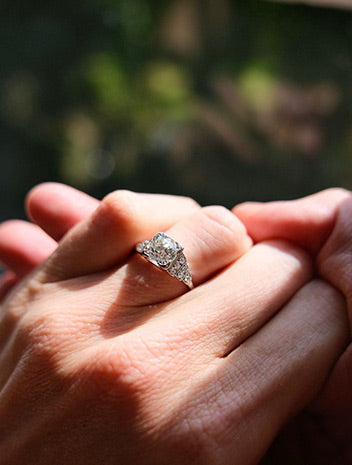
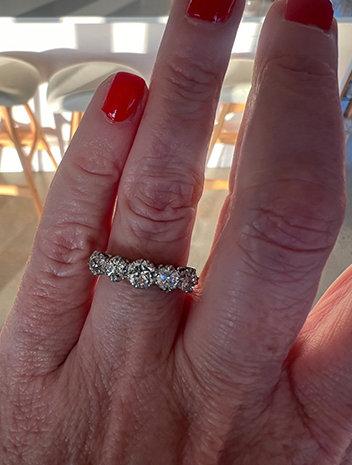
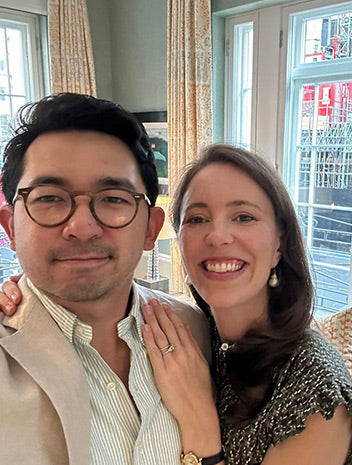
The purchase of an Antique Engagement Ring today is not only an offer of love but a true investment. 


Birth Stone and Anniversary Stone Charts


Birthstone And Zodiac Sign Information

Month Born Zodiac Sign Birthstone
January Capricorn Garnet
February Aquarius Amethyst   
March Pisces Aquamarine
April Aries Diamond Or White Zircon
May Taurus Emerald
June Gemini Pearl
July Cancer Ruby
August Leo Peridot
September Virgo Sapphire
October Libra Opal
November Scorpio Citrine or Topaz
December Sagittarius Turquoise


Anniversary Gemstone Chart

1st Year
Gold Jewelry

2nd Year
Garnet

3rd Year
Pearls

4th Year
Blue Topaz

5th Year
Sapphire

6th Year
Amethyst

7th Year
Onyx

8th Year
Tourmaline

9th Year
Lapis Lazuli

10th Year
Diamond Jewelry

11th Year
Turquoise

12th Year
Jade

13th Year
Citrine

14th Year
Opal

15th Year
Ruby

16th Year
Peridot

17th Year
Watches

18th Year
Cat's-Eye

19th Year
Aquamarine

20th Year
Emerald

21st Year
Iolite

22nd Year
Spinel

23rd Year
Imperial Topaz

24th Year
Tanzanite

25th Year
Silver Jubilee

30th Year
Pearl Jubilee

35th Year
Emerald

40th Year
Ruby

45th Year
Sapphire

50th Year
Golden Jubilee

55th Year
Alexandrite

60th Year
Diamond Jubilee

70th Year
Sapphire Jubilee

80th Year
Ruby Jubilee


Copyright (c) 2008 Friar House
Design by Stuart Goss Associates